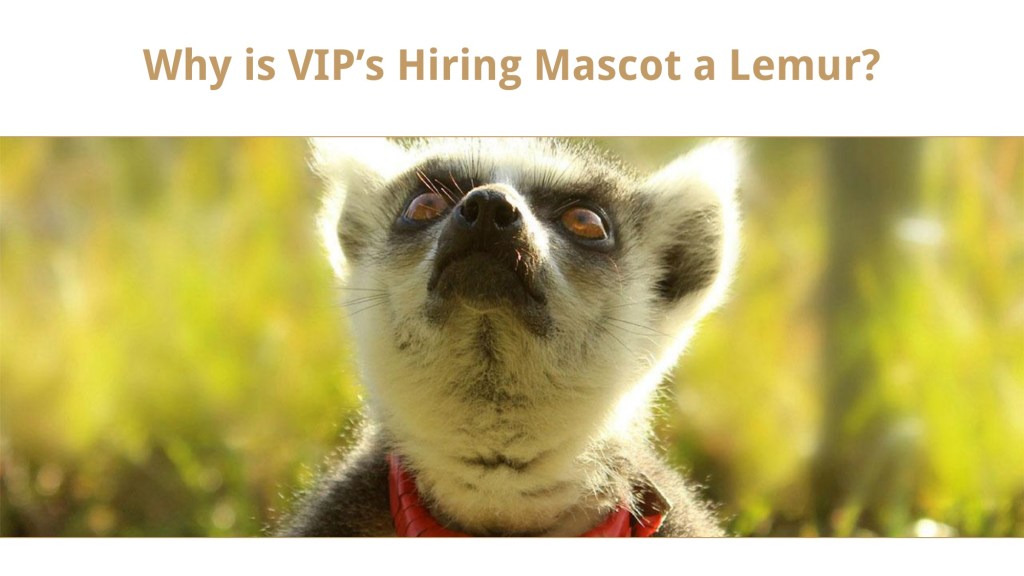
Lemurs represent a guiding principle of the work on VIPeX and across Talent, to build diverse teams made up of people from all different types of backgrounds and perspectives.

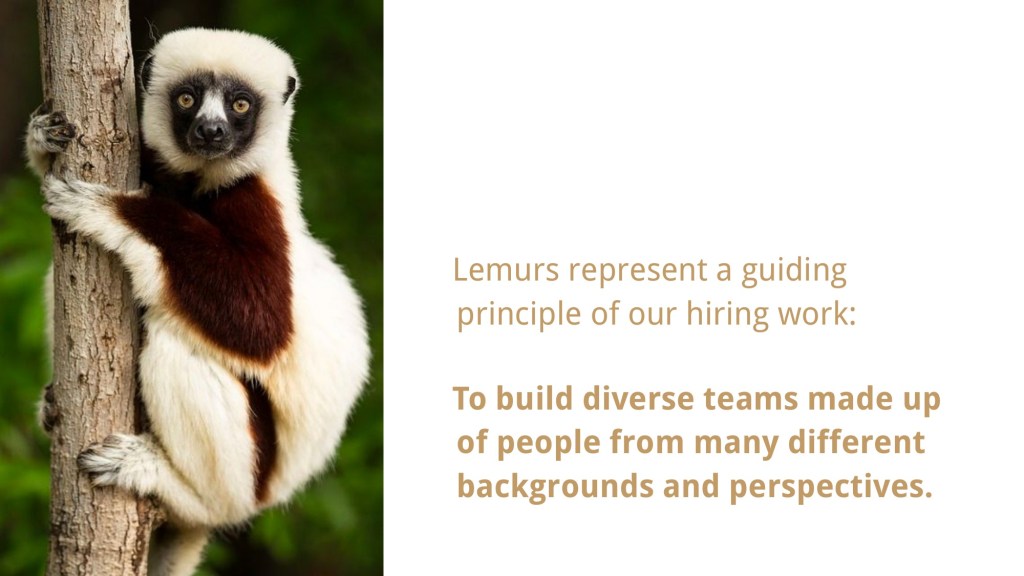
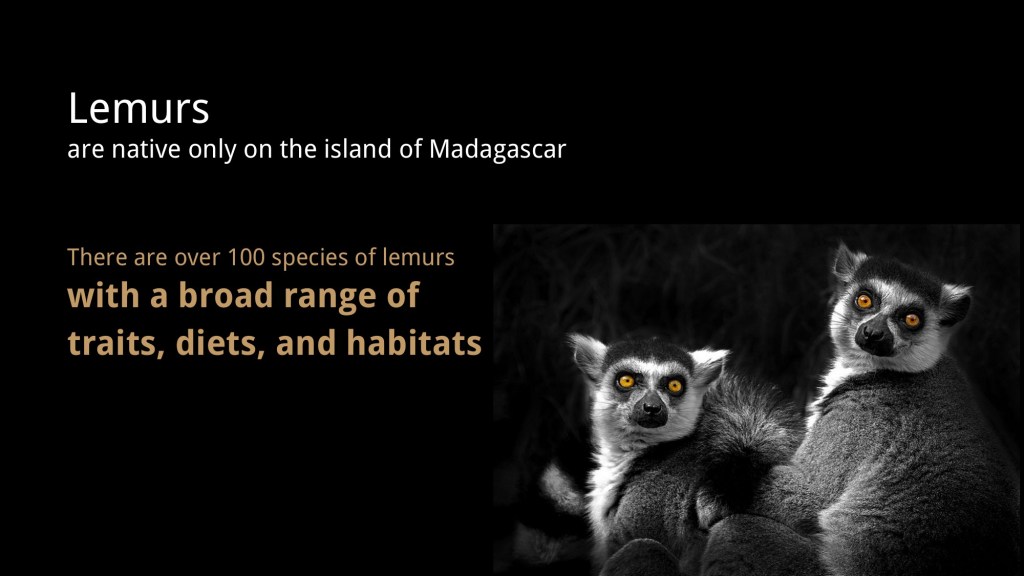
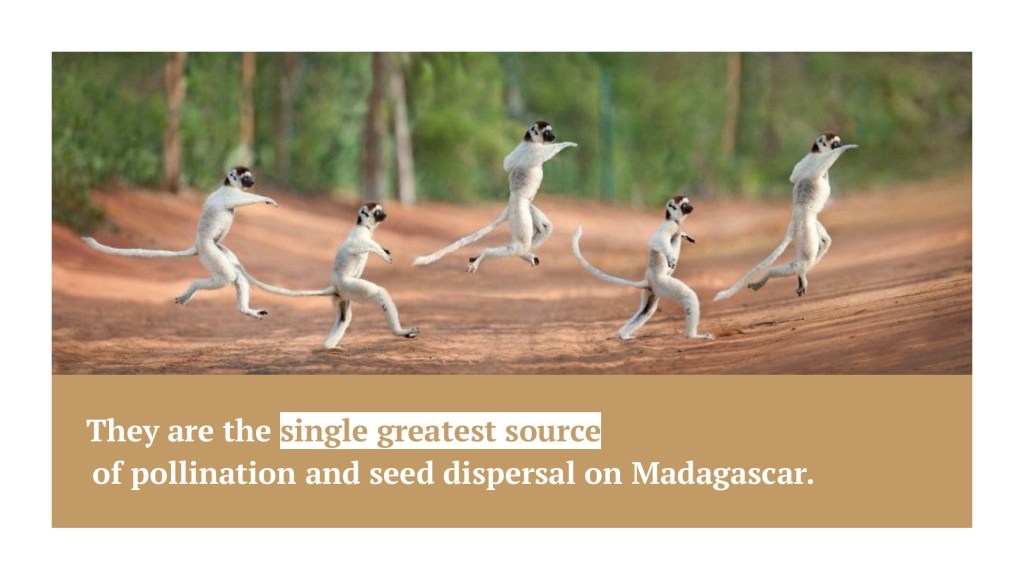
Lemurs are the world’s oldest living primates — so they’re related to apes and also us humans! Although they’re native only on the island of Madagascar, there are over 100 species with a broad range of traits, diets, and habitats.
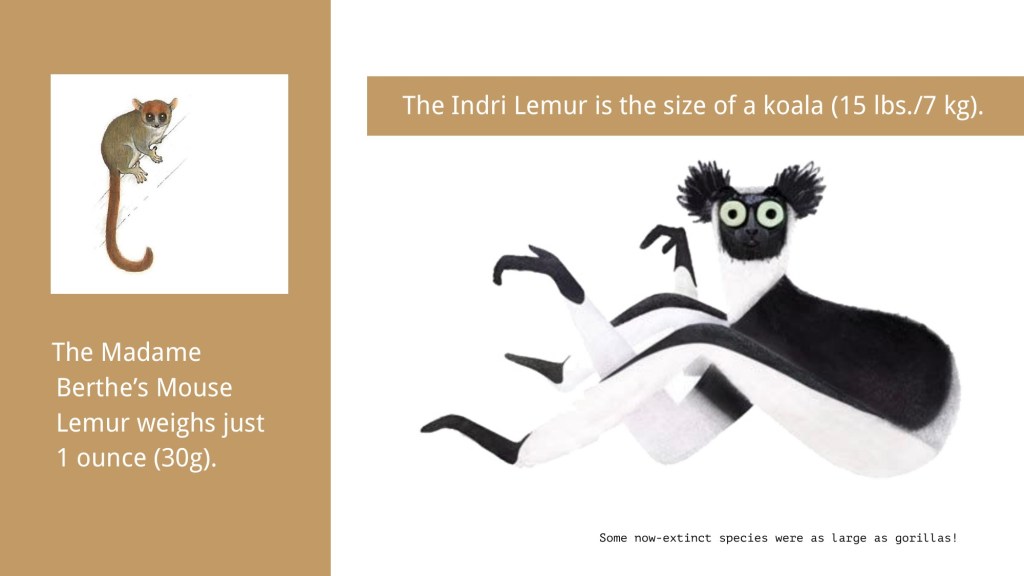
- Different lemur species range in size from as small as mice (1oz/30g) to as big as koalas (15lbs/7kg).
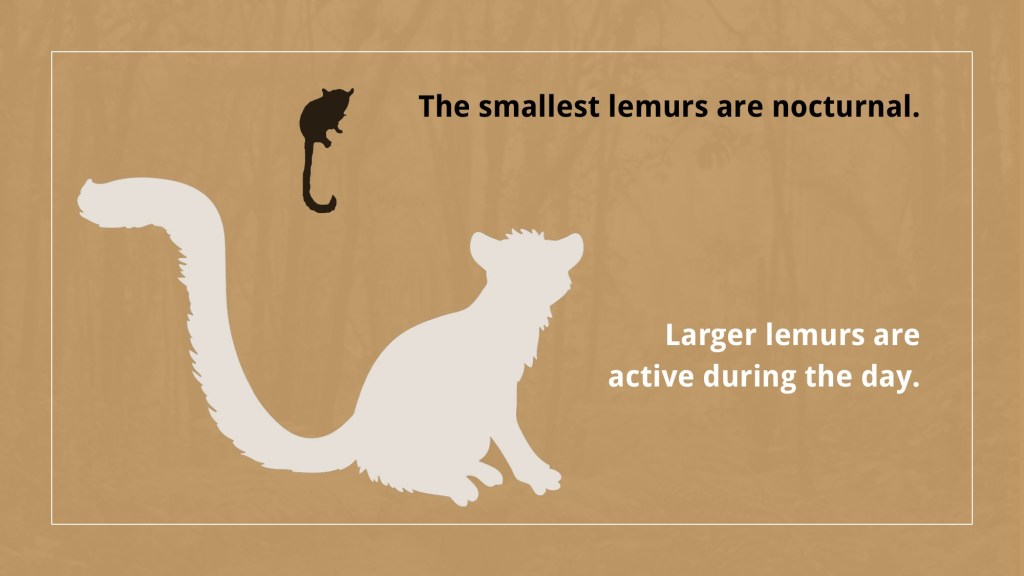
- Larger species are usually diurnal, but some of the smallest lemurs are nocturnal.
- While many species live on the ground, a few are tree-dwelling.
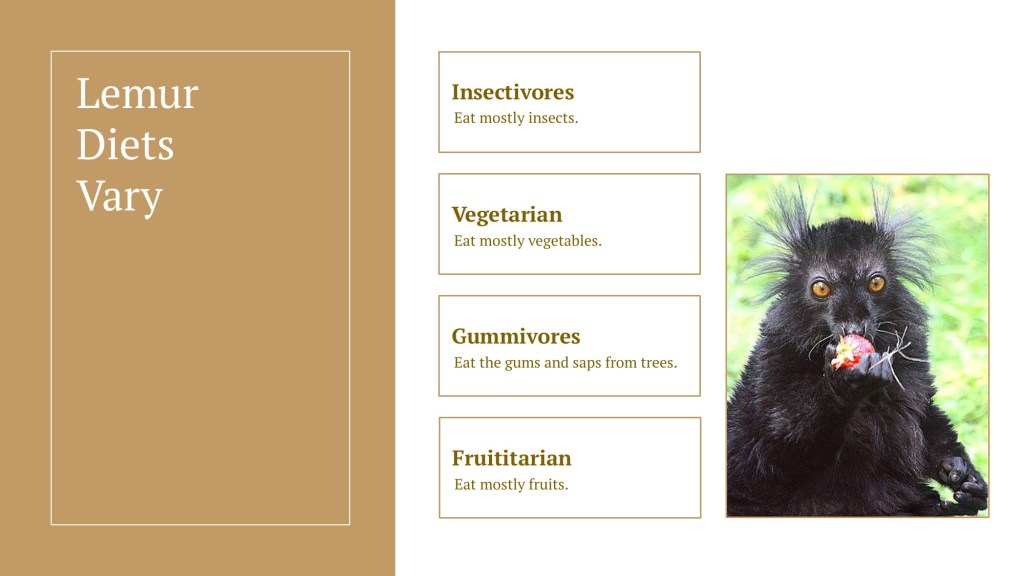
- Their diets vary — from all-fruit to insectivore to vegetarian. Many are also — or even exclusively — gummivorous, meaning they eat the gums and saps from trees.
- Different lemur species have highly developed methods of communicating to each other; many use scent, and some sing elaborate a capella songs.
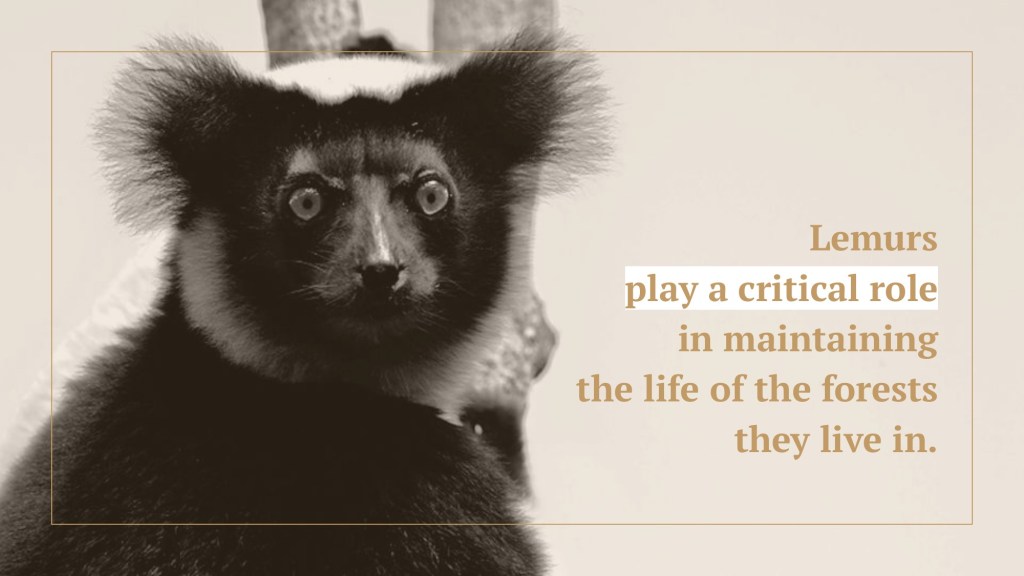
Finally, lemurs play a critical role in maintaining the life of the forests they live in. Through their foraging and roaming, they are the single greatest source of pollination and seed dispersal on Madagascar. The differences in lemurs’ size, food sources, and habitat all combine together to support the healthy growth of many flowering plants and tree species in the forest.
Check out this short video, The Story of Lemurs, to learn more about some of the many kinds of lemurs on Madagascar:


